Why Kids Should Learn Money Before They Earn It
Most of us learned about money the hard way, with our first salary. Children can learn the same lessons earlier, when mistakes cost pocket change.
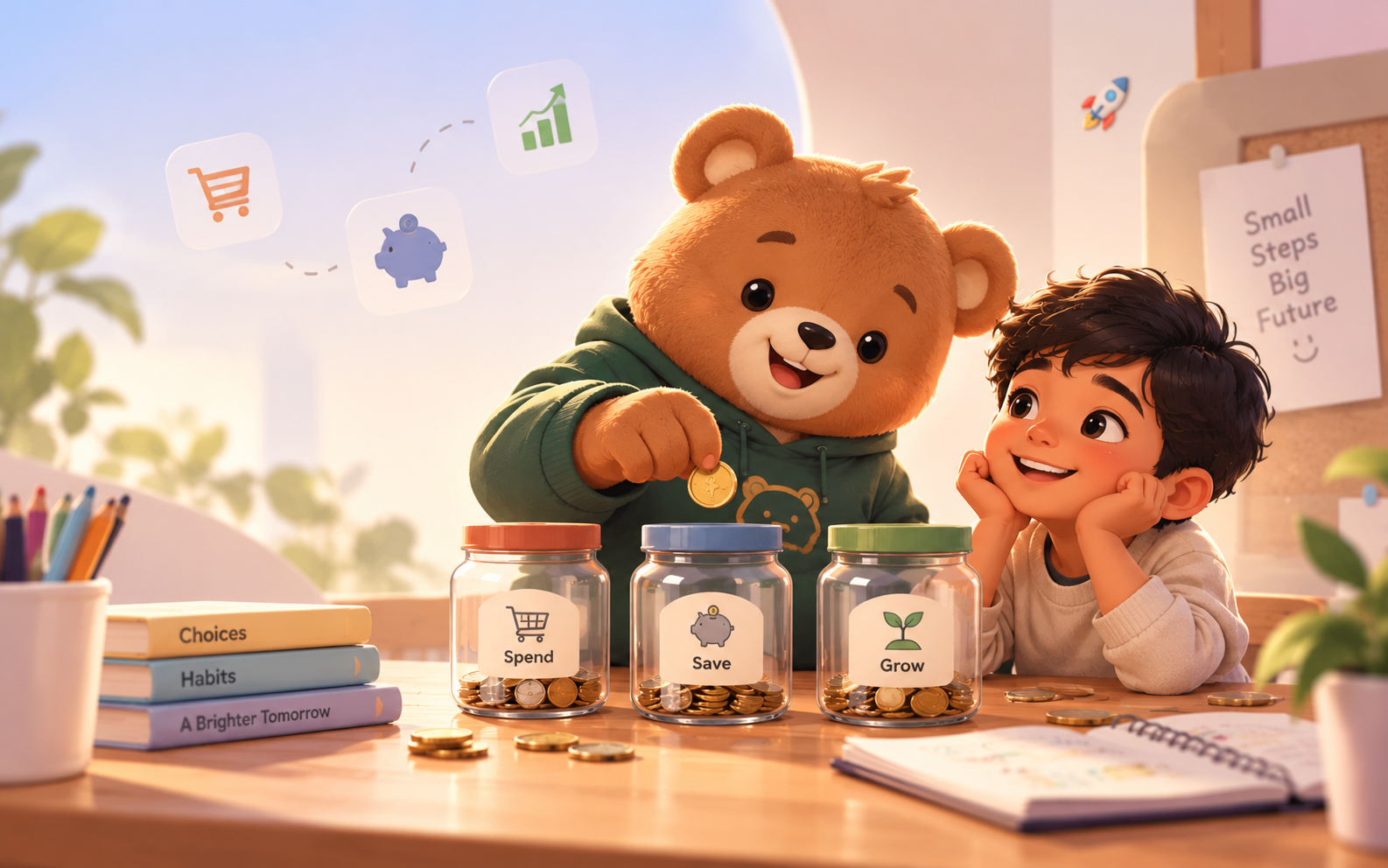
Most of us learned about money the hard way: with our first salary. We got the credit card offer, the pay-in-instalments temptation, the month that ended before the money did. Nobody had sat us down and explained any of it. We figured it out through mistakes, and some of those mistakes were expensive.
Our children do not have to repeat that. The best time to learn money is before there is much of it, when mistakes cost pocket change instead of a year's savings.
School teaches maths, not money
Many children are strong at maths. They can calculate percentages, compound interest, and profit and loss for exams. But knowing the formula for interest is very different from understanding why a loan app's offer is a bad idea.
Money is not really a maths problem. It is a behaviour problem. It is about patience, choices, comparing options, and saying no to yourself. Those are habits, and habits are built through repetition, not through a chapter in a textbook.
The world our kids are growing up in is different
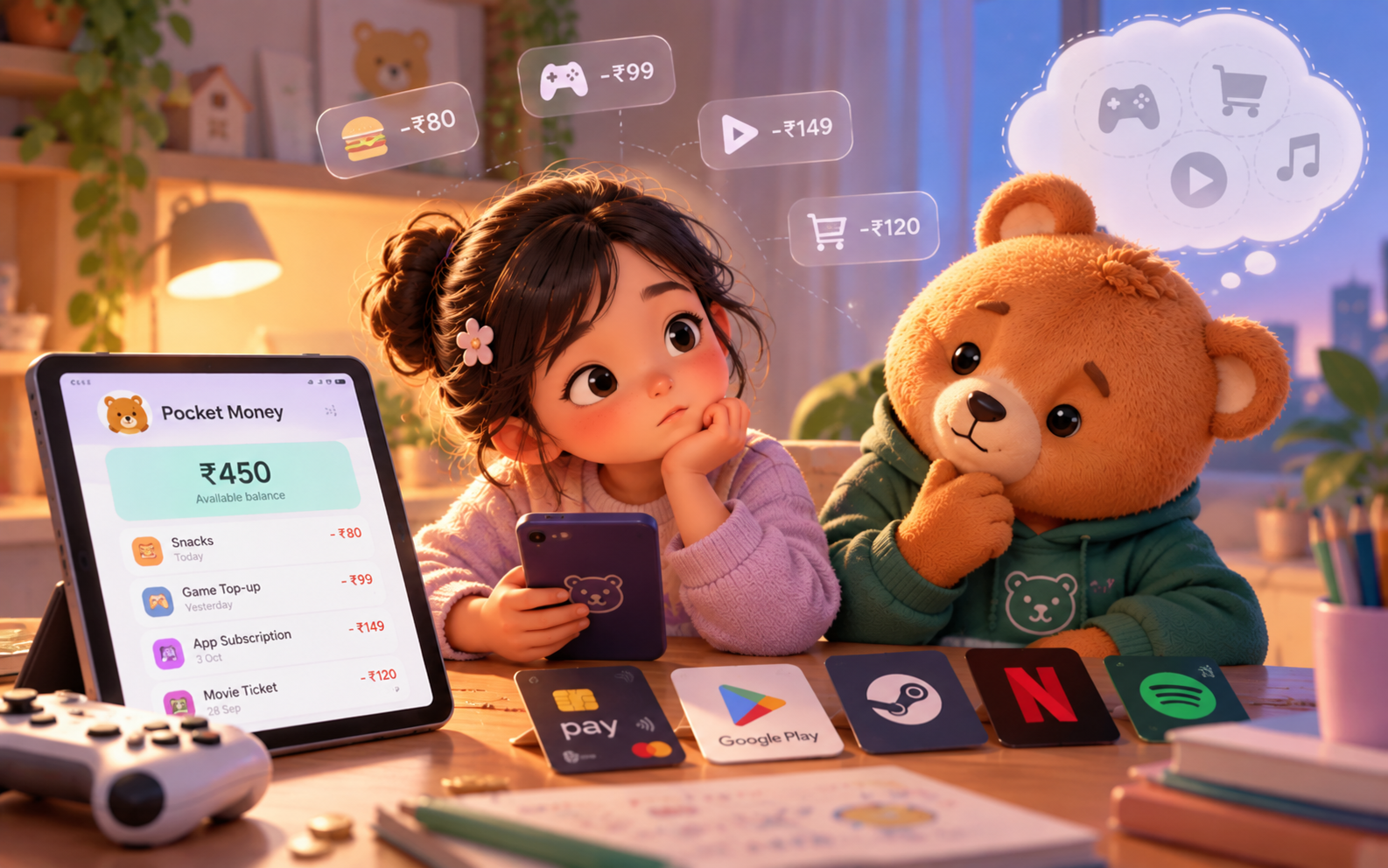
When we were young, money was physical. You could see the notes leave your wallet. Today, a child watches their parent tap a phone to pay for groceries, petrol, and movie tickets. Money has become invisible.
At the same time, spending has never been easier. Shopping apps, in-game purchases, food delivery, and “buy now, pay later” offers are designed to make spending feel effortless. A young adult entering this world without basic money habits is at a real disadvantage.
Teaching money early is not about turning children into misers. It is about giving them the instincts to pause before they tap.
Small amounts, big lessons
The beauty of starting young is that the amounts are tiny, but the lessons are the same ones adults struggle with:
- Opportunity cost. If I buy this chocolate, I cannot buy that sticker book.
- Delayed gratification. If I wait three weeks, I can afford something better.
- Budgeting. If I spend everything on Monday, I have nothing for the weekend.
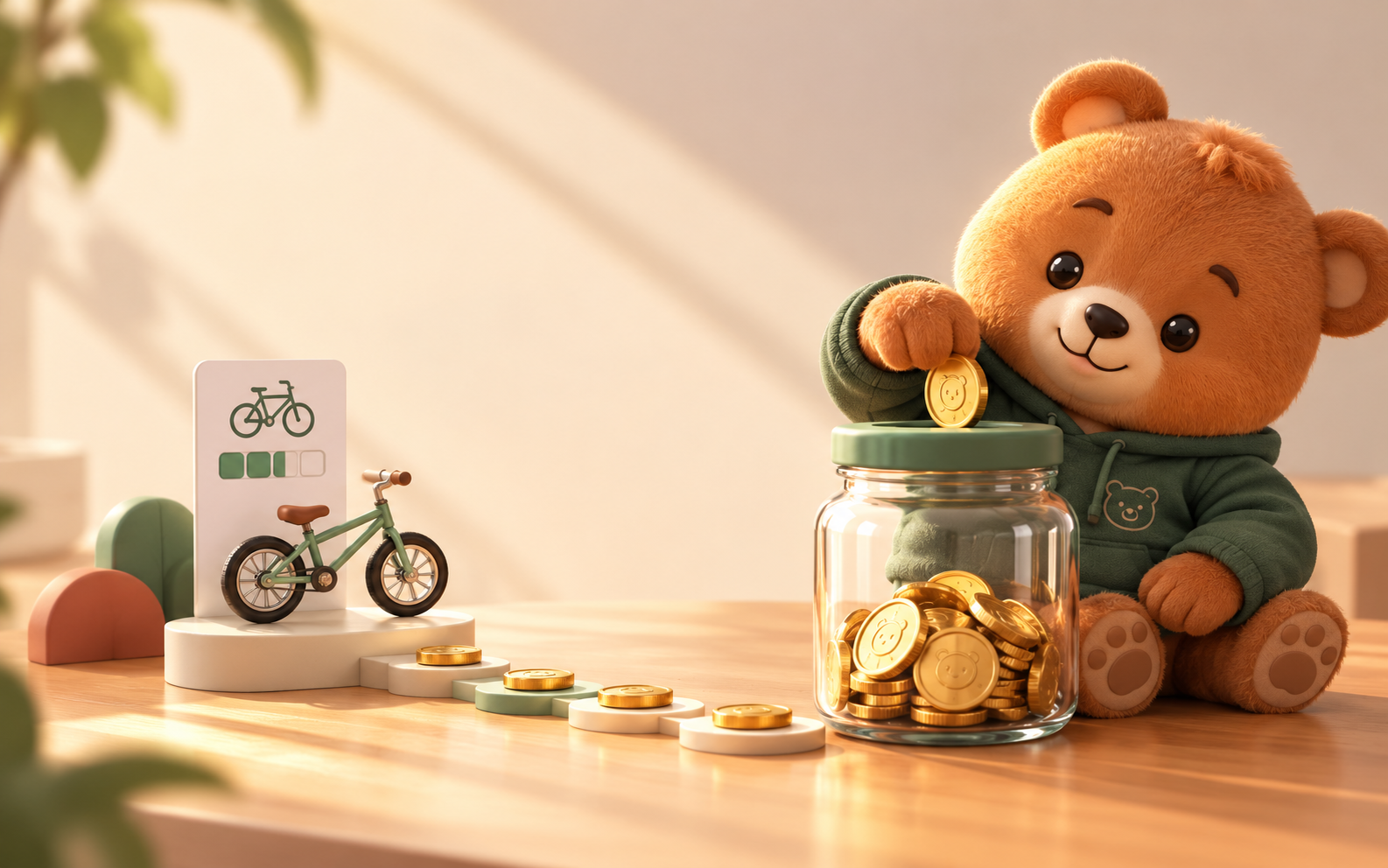
- Goal setting. I want this cricket bat, so I need to save a certain amount every week.
A nine-year-old who learns these with a small weekly allowance has learned the same lessons a twenty-five-year-old needs with a salary. The difference is that the child's mistakes are cheap.
Confidence, not anxiety
Some parents worry that talking about money will make children anxious or materialistic. In practice, the opposite tends to happen. Children who understand money feel more in control. They know what things cost, they know how to plan, and they are less likely to feel helpless or panicked when money is tight.
Silence about money does not protect children. It just leaves them to learn from advertising, friends, and trial and error.
What learning money early actually looks like
You do not need a formal course. Everyday life provides plenty of lessons:
- Give a regular allowance. Even a small weekly amount gives children something real to manage.
- Let them make choices. At the shop, let them decide between two items within their budget.
- Set a savings goal together. Pick something they want and work out how many weeks it will take.
- Talk through your own decisions. Explain out loud why you are choosing the cheaper brand or waiting for a sale.
- Keep a record. Seeing their balance grow, or shrink, makes money concrete.
The compounding effect of early habits
We often talk about compound interest: money growing on itself over time. Habits work the same way. A child who learns to save a small portion of their pocket money at age eight will likely save a portion of their first salary at twenty-three. A child who learns to compare prices will keep comparing them. Each year of practice builds on the last.
Starting at fifteen is good. Starting at seven is better.
The role of parents
You are your child's first and most important money teacher, whether you mean to be or not. Children notice how you talk about money, how you react to bills, and whether you plan or improvise. Being intentional about it, even in small ways, makes a big difference.
The good news is that you do not need to be a financial expert. You just need to give your child a little money, a little freedom, and a little guidance.
A simple place to start
Pocket Cub was built for exactly this stage. You keep the real money, and Pocket Cub keeps the record, so your child can see their pocket money, set goals, and learn the basics in a way that feels like their own. It gives every family a simple way to start money lessons early, long before the first paycheque arrives.
The first salary will come one day. When it does, we want our children to already know what to do with it.